

Protect Your People and Your Business with Expert Risk Assessment Services
We understand that proactive risk management is the cornerstone of a safe, compliant, and productive workplace. A thorough and legally compliant risk assessment is not just a statutory duty-it is a fundamental business practice.
Comprehensive Risk Assessment Services
Our team of certified consultants specialises in delivering a comprehensive suite of risk assessment services tailored to the specific regulations governing UK Workplaces. We move beyond simple checklist compliance to provide insightful, practical, and effective risk control strategies.
General Risk Assessment
This is the foundational, legal requirement (e.g., under the UK Management of Health and Safety at Work Regulations). It is the umbrella process for identifying both safety and health risks.
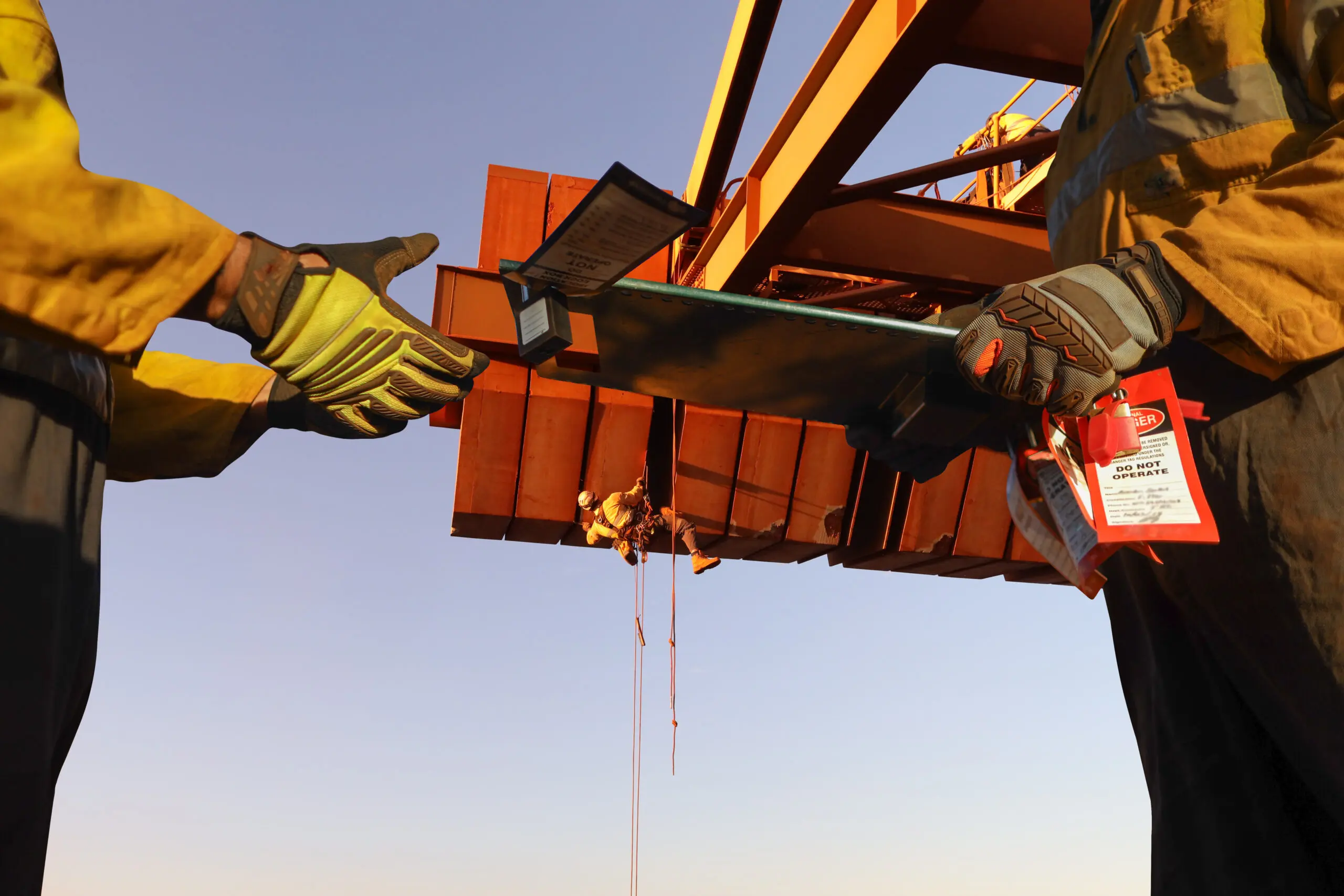
General Risk Assessment
This is the foundational assessment required to identify the broad range of risks in your workplace and ensure appropriate control measures are in place to protect employees and others.
Job Safety Analysis (JSA)
Step-by-step examination of individual tasks to identify hazards in each part of the job.
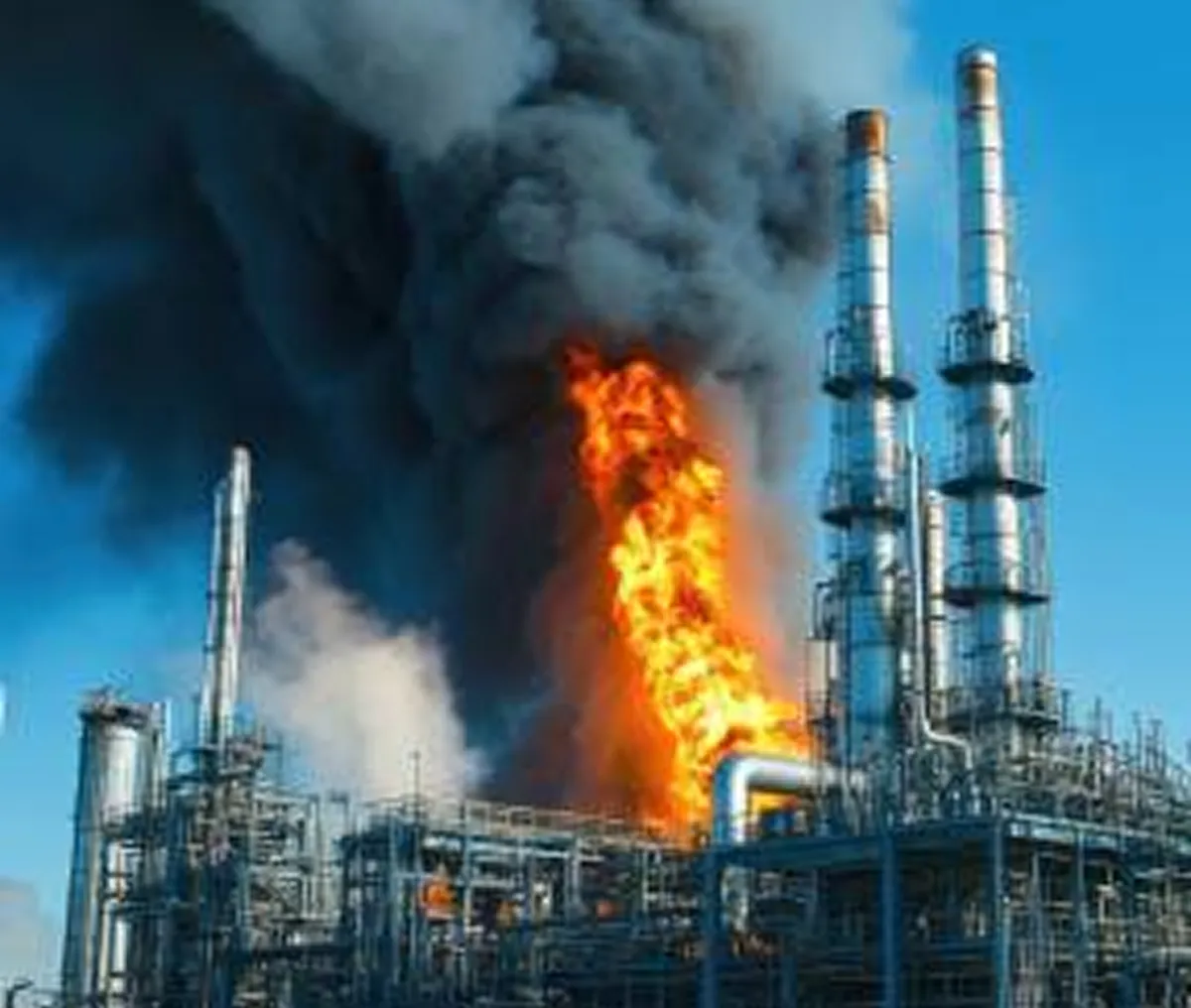
Job Safety Analysis (JSA)
Why you need it: Protects workers performing specific tasks, especially high-risk activities. Creates safe work procedures that everyone can follow.
Fire Risk Assessment
Prevents fire and ensures safe evacuation.
Fire Risk Assessment
A legal requirement for virtually all non-domestic premises. It identifies fire hazards, evaluates the adequacy of existing measures, and ensures the safety of all relevant persons in case of fire
DSEAR Assessment (Dangerous Substances and Explosive Atmospheres Regulations)
Prevents fires and explosions.

DSEAR Assessment
To protect against fire, explosion, and other risks from substances like solvents, fuels, and dusts. It is required to eliminate or control risks to ensure a safe working environment.
PUWER Assessment (Provision and Use of Work Equipment Regulations)
Ensures work equipment is safe to use.

PUWER Assessment
To ensure that all work equipment, from machinery to tools, is safe for use, properly maintained, and only operated by trained personnel, preventing equipment-related accidents.
Workplace Transport Assessment
Prevents accidents involving vehicles in the workplace.
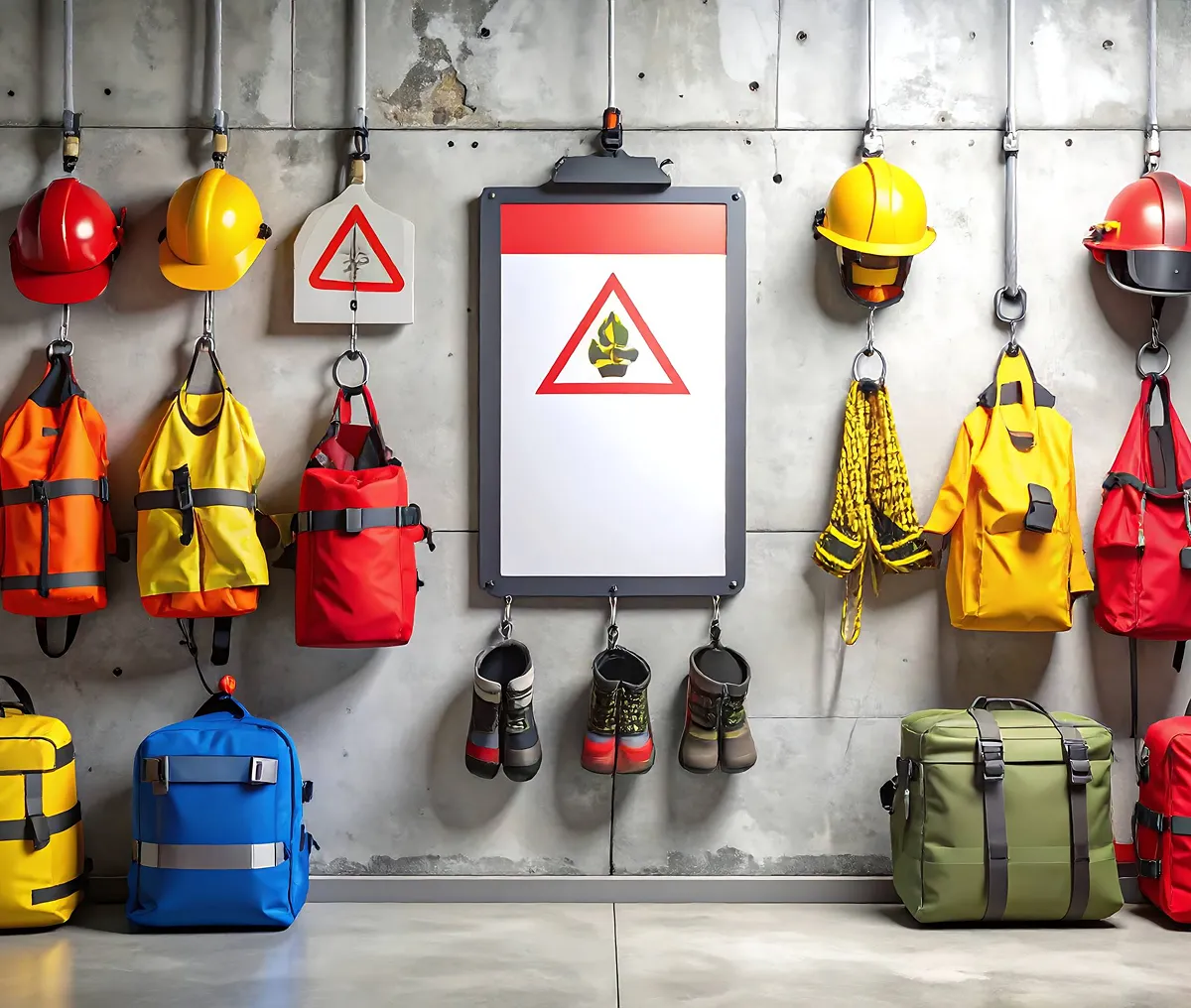
Workplace Transport Assessment
To manage the significant risks arising from vehicles and mobile plant in the workplace, preventing collisions with pedestrians, and ensuring safe loading/unloading and traffic routes.
PPE Assessment (Personal Protective Equipment)
Selects correct equipment as a last line of defence against safety (and health) risks.

PPE Assessment
To identify situations where PPE is needed after other controls have been applied, and to ensure that the correct type of PPE is selected, used, and maintained properly.
Noise Risk Assessment
Prevents noise-induced hearing loss.

Noise Risk Assessment
To identify employees at risk from excessive noise levels and to ensure that hearing protection and other control measures are provided where needed to prevent noise-induced hearing loss.
Stress Risk Assessment (Psychosocial Risk Assessment)
Evaluation of workplace factors causing stress and their impact on employees.

Stress Risk Assessment (Psychosocial Risk Assessment)
Why you need it: Stress is a major cause of sickness absence. Improves wellbeing, productivity, and meets legal duty of care for mental health.
Vibration Risk Assessment (Hand-Arm Vibration / Whole-Body Vibration)
Prevents conditions like HAVS (vibration white finger) and back damage.

Vibration Risk Assessment
To identify employees at risk from Hand-Arm Vibration Syndrome (HAVS) or Whole-Body Vibration, and to ensure exposure is controlled to prevent permanent, disabling health effects.
Ergonomic & Manual Handling Assessment
Prevents musculoskeletal disorders (MSDs) like back injuries and repetitive strain injuries.

Ergonomic & Manual Handling Assessment
To holistically assess tasks that involve lifting, lowering, pushing, pulling, carrying, or repetitive postures. This combined approach is required to identify and reduce the risk of work-related musculoskeletal disorders (MSDs) across all operational activities.
DSE Assessment (Display Screen Equipment)
Prevents work-related upper limb disorders and eye strain.
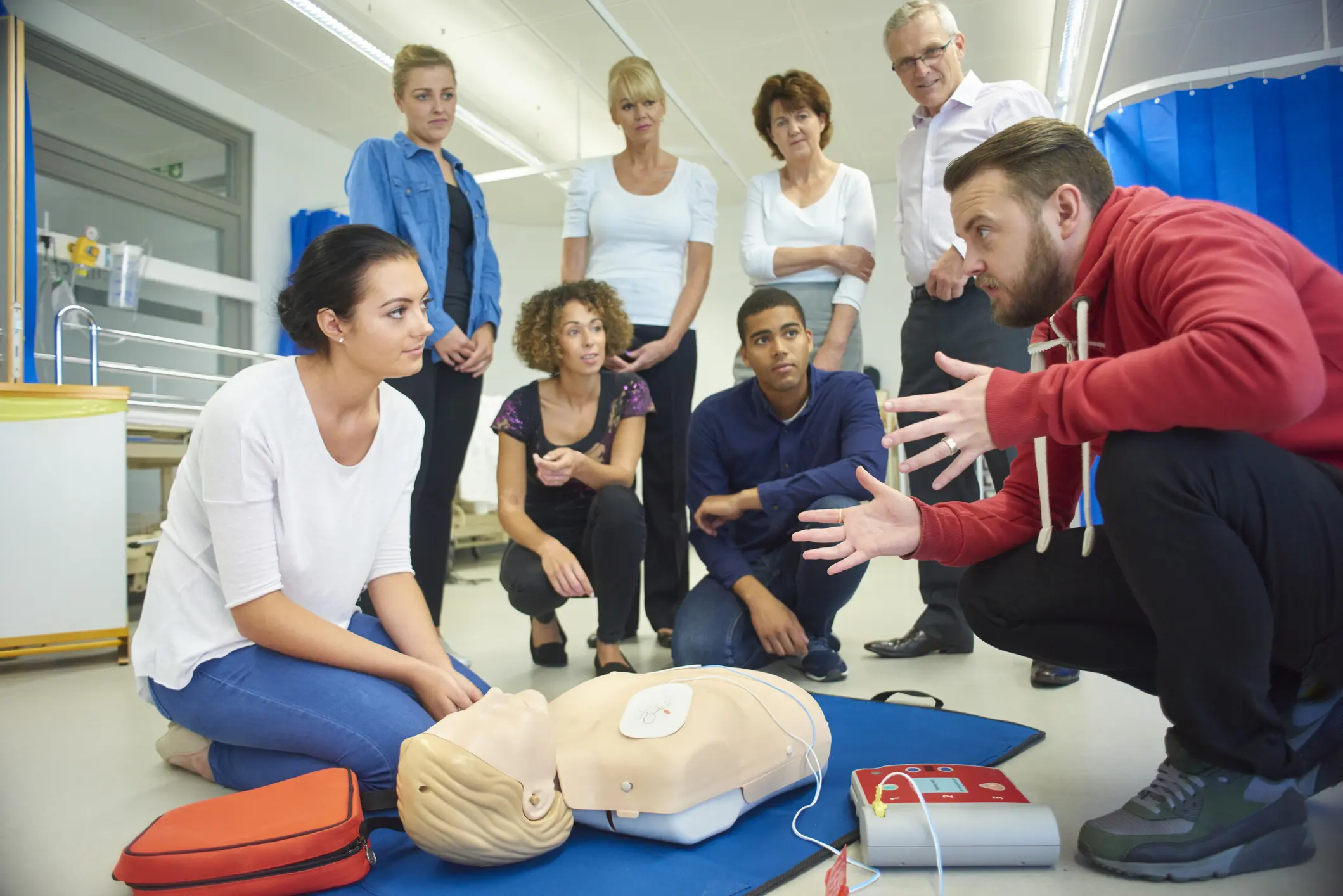
DSE Assessment
To identify and mitigate health risks associated with computer work, such as musculoskeletal problems, visual fatigue, and stress, for all ‘users’ of DSE.
Workplace First Aid Assessment
While primarily for health & safety compliance, its effective management is often part of a Quality Management System (ISO 9001) as it relates to resource provision and competence.

Workplace First Aid Assessment
To determine the appropriate level of first-aid provision needed in the workplace, including the number of first-aiders, equipment, and facilities based on specific workplace hazards and personnel.
Management of Change Assessment (Safety-focused)
Identifies new hazards introduced by changes to processes, equipment, or materials.

Management of Change Assessment
A proactive process to identify and control new risks introduced by changes in personnel, processes, plant, or materials, ensuring safety is maintained during and after organizational changes.
Aspect & Impact Assessment (EIA)
The core process of an Environmental Management System (e.g., ISO 14001) to identify an organization's environmental aspects (activities that interact with the environment) and their associated impacts (changes to the environment).

Aspect & Impact Assessment (EIA)
A systematic process to identify how your company's activities (aspects) interact with the environment and what consequences (impacts) they create.
- Environmental Aspect = What you
do that can affect the environment (e.g., emitting smoke, using water, generating waste) - Environmental Impact = The result of that action (e.g., air pollution, water depletion, land contamination)
Waste Management Assessment
Evaluates the generation, handling, storage, recycling, treatment, and disposal of waste to minimize environmental impact and ensure legal compliance.
Waste Management Assessment
This assessment helps companies fulfil their legal "Duty of Care" to manage waste properly. It involves auditing waste transfer notes, checking permits for waste carriers, and verifying that hazardous waste (like electrical items or chemicals) is segregated and disposed of correctly to prevent environmental harm and avoid hefty fines.
COSHH Assessment (Control of Substances Hazardous to Health)
Controls exposure to substances that can cause disease (e.g., chemicals, dusts, fumes).

COSHH Assessment
To evaluate the risks from hazardous substances (e.g., chemicals, fumes, biological agents) and implement effective controls to prevent ill health through inhalation, skin contact, or ingestion.
Management of Change Assessment (Quality-focused)
A core quality tool to ensure changes do not adversely affect product or service quality, process control, or compliance.
Management of Change Assessment
A proactive process to identify and control new risks introduced by changes in personnel, processes, plant, or materials, ensuring safety is maintained during and after organizational changes.
General Risk Assessment
This is the foundational, legal requirement (e.g., under the UK Management of Health and Safety at Work Regulations). It is the umbrella process for identifying both safety and health risks.
General Risk Assessment
This is the foundational assessment required to identify the broad range of risks in your workplace and ensure appropriate control measures are in place to protect employees and others.
Job Safety Analysis (JSA)
Step-by-step examination of individual tasks to identify hazards in each part of the job.
Job Safety Analysis (JSA)
Why you need it: Protects workers performing specific tasks, especially high-risk activities. Creates safe work procedures that everyone can follow.
Fire Risk Assessment
Prevents fire and ensures safe evacuation.
Fire Risk Assessment
A legal requirement for virtually all non-domestic premises. It identifies fire hazards, evaluates the adequacy of existing measures, and ensures the safety of all relevant persons in case of fire
DSEAR Assessment (Dangerous Substances and Explosive Atmospheres Regulations)
Prevents fires and explosions.
DSEAR Assessment
To protect against fire, explosion, and other risks from substances like solvents, fuels, and dusts. It is required to eliminate or control risks to ensure a safe working environment.
PUWER Assessment (Provision and Use of Work Equipment Regulations)
Ensures work equipment is safe to use.
PUWER Assessment
To ensure that all work equipment, from machinery to tools, is safe for use, properly maintained, and only operated by trained personnel, preventing equipment-related accidents.
Workplace Transport Assessment
Prevents accidents involving vehicles in the workplace.
Workplace Transport Assessment
To manage the significant risks arising from vehicles and mobile plant in the workplace, preventing collisions with pedestrians, and ensuring safe loading/unloading and traffic routes.
PPE Assessment (Personal Protective Equipment)
Selects correct equipment as a last line of defence against safety (and health) risks.
PPE Assessment
To identify situations where PPE is needed after other controls have been applied, and to ensure that the correct type of PPE is selected, used, and maintained properly.
COSHH Assessment (Control of Substances Hazardous to Health)
Controls exposure to substances that can cause disease (e.g., chemicals, dusts, fumes).
COSHH Assessment
To evaluate the risks from hazardous substances (e.g., chemicals, fumes, biological agents) and implement effective controls to prevent ill health through inhalation, skin contact, or ingestion.
Noise Risk Assessment
Prevents noise-induced hearing loss.
Noise Risk Assessment
To identify employees at risk from excessive noise levels and to ensure that hearing protection and other control measures are provided where needed to prevent noise-induced hearing loss.
Vibration Risk Assessment (Hand-Arm Vibration / Whole-Body Vibration)
Prevents conditions like HAVS (vibration white finger) and back damage.
Vibration Risk Assessment
To identify employees at risk from Hand-Arm Vibration Syndrome (HAVS) or Whole-Body Vibration, and to ensure exposure is controlled to prevent permanent, disabling health effects.
Ergonomic & Manual Handling Assessment
Prevents musculoskeletal disorders (MSDs) like back injuries and repetitive strain injuries.
Ergonomic & Manual Handling Assessment
To holistically assess tasks that involve lifting, lowering, pushing, pulling, carrying, or repetitive postures. This combined approach is required to identify and reduce the risk of work-related musculoskeletal disorders (MSDs) across all operational activities.
DSE Assessment (Display Screen Equipment)
Prevents work-related upper limb disorders and eye strain.
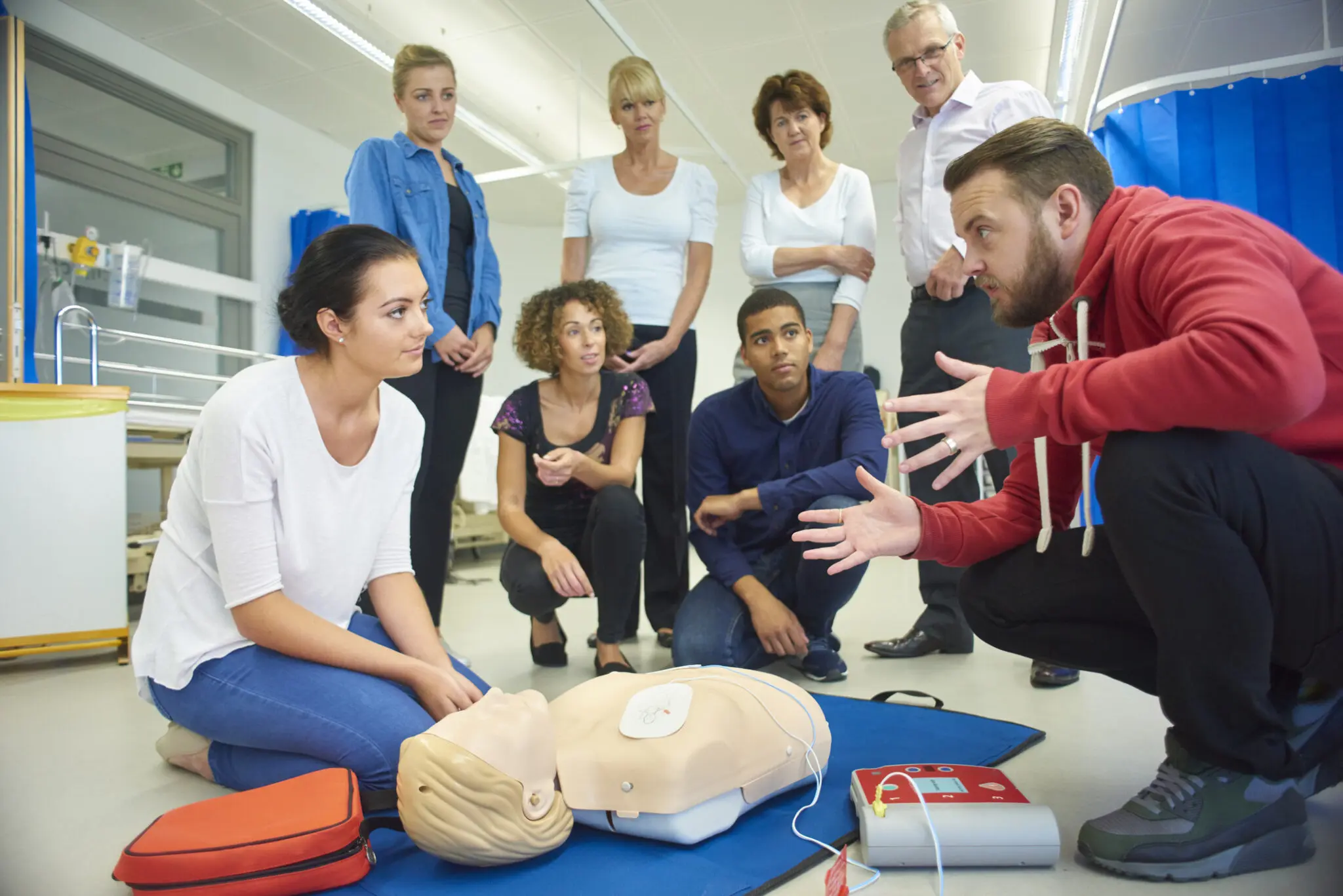
DSE Assessment
To identify and mitigate health risks associated with computer work, such as musculoskeletal problems, visual fatigue, and stress, for all ‘users’ of DSE.
Workplace First Aid Assessment
While primarily for health & safety compliance, its effective management is often part of a Quality Management System (ISO 9001) as it relates to resource provision and competence.
Workplace First Aid Assessment
To determine the appropriate level of first-aid provision needed in the workplace, including the number of first-aiders, equipment, and facilities based on specific workplace hazards and personnel.
Stress Risk Assessment (Psychosocial Risk Assessment)
Evaluation of workplace factors causing stress and their impact on employees.
Stress Risk Assessment (Psychosocial Risk Assessment)
Evaluation of workplace factors causing stress and their impact on employees.
Management of Change Assessment (Safety-focused)
Identifies new hazards introduced by changes to processes, equipment, or materials.
Management of Change Assessment
A proactive process to identify and control new risks introduced by changes in personnel, processes, plant, or materials, ensuring safety is maintained during and after organizational changes.
Aspect & Impact Assessment (EIA)
The core process of an Environmental Management System (e.g., ISO 14001) to identify an organization's environmental aspects (activities that interact with the environment) and their associated impacts (changes to the environment).
Aspect & Impact Assessment (EIA)
A systematic process to identify how your company's activities (aspects) interact with the environment and what consequences (impacts) they create.
- Environmental Aspect = What you
do that can affect the environment (e.g., emitting smoke, using water, generating waste) - Environmental Impact = The result of that action (e.g., air pollution, water depletion, land contamination)
Waste Management Assessment
Evaluates the generation, handling, storage, recycling, treatment, and disposal of waste to minimize environmental impact and ensure legal compliance.
Waste Management Assessment
This assessment helps companies fulfil their legal "Duty of Care" to manage waste properly. It involves auditing waste transfer notes, checking permits for waste carriers, and verifying that hazardous waste (like electrical items or chemicals) is segregated and disposed of correctly to prevent environmental harm and avoid hefty fines.
COSHH Assessment (Control of Substances Hazardous to Health)
Controls exposure to substances that can cause disease (e.g., chemicals, dusts, fumes).

COSHH Assessment
To evaluate the risks from hazardous substances (e.g., chemicals, fumes, biological agents) and implement effective controls to prevent ill health through inhalation, skin contact, or ingestion.
Management of Change Assessment (Safety-focused)
Identifies new hazards introduced by changes to processes, equipment, or materials.
Management of Change Assessment
A proactive process to identify and control new risks introduced by changes in personnel, processes, plant, or materials, ensuring safety is maintained during and after organizational changes.
Management of Change Assessment (Quality-focused)
A core quality tool to ensure changes do not adversely affect product or service quality, process control, or compliance.
Management of Change Assessment
A proactive process to identify and control new risks introduced by changes in personnel, processes, plant, or materials, ensuring safety is maintained during and after organizational changes.
Stress Risk Assessment (Psychosocial Risk Assessment)
Evaluation of workplace factors causing stress and their impact on employees.
Stress Risk Assessment (Psychosocial Risk Assessment)
Why you need it: Stress is a major cause of sickness absence. Improves wellbeing, productivity, and meets legal duty of care for mental health.
Why Partner with Us?
Expertise You Can Trust
Our consultants are highly qualified and stay current with the latest HSE guidance and legal precedents.
Holistic Approach
We connect related risks—like combining ergonomic principles with manual handling—to provide integrated solutions that tackle the root causes of workplace injury.

Clarity and Practicality
We deliver clear, actionable reports that your team can easily understand and implement, avoiding unnecessary jargon.

Proactive Partnership
We act as an extension of your team, helping you build a robust safety culture that prevents incidents before they occur. Our focus on Management of Change, for instance, ensures your safety standards evolve with your business.

Comprehensive Support
From initial assessment to the development of supporting policies and staff training, we provide an end-to-end solution.